Why the Same Desk Lunch Every Day Gets Unbearable by Week Three (and the Fix That Isn't 'Just Cook More')
Quick Answer: Lunch boredom usually isn’t about the base ingredients being repetitive — it’s about the flavor profile (sauce, seasoning, temperature, texture) staying identical meal after meal, so the actual fix is prepping 2-3 interchangeable sauces or seasoning blends alongside one base (protein, grain, vegetable) rather than cooking entirely separate meals for variety.
Rotating the flavor layer on top of a consistent, efficient base gets most of the boredom-fighting benefit of full recipe variety without the extra weekly prep time.

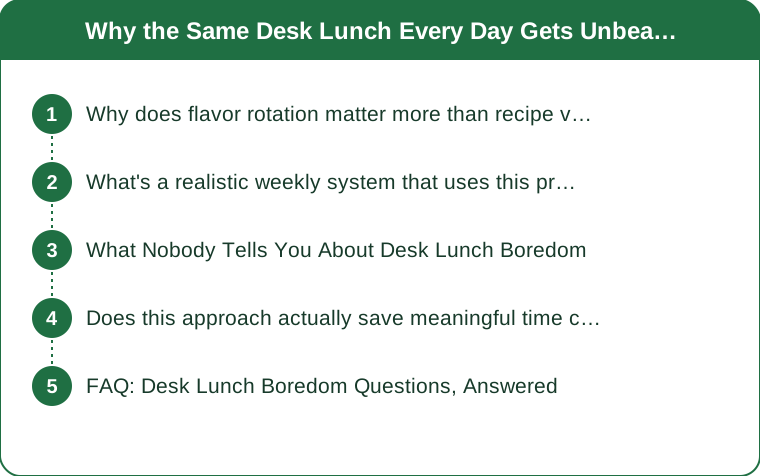
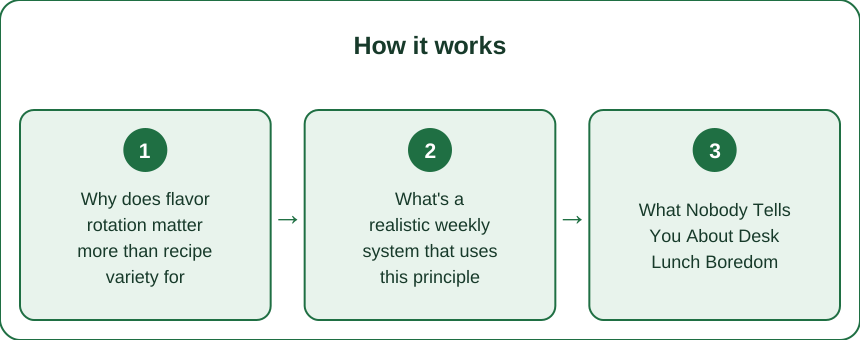
Why does flavor rotation matter more than recipe variety for fighting lunch boredom?
The brain registers ‘sameness’ fatigue largely through repeated flavor and texture signals, not through the literal ingredients used — chicken, rice, and broccoli with a teriyaki sauce on Monday genuinely tastes and feels different from the same three ingredients with a lemon-herb dressing on Wednesday, even though the base prep and nutrition are essentially identical.
This means the actual lever for reducing boredom is much smaller and more efficient than fully varying recipes: 2-3 sauce or seasoning options prepped alongside one efficient base rotation covers most of the perceived variety.
What’s a realistic weekly system that uses this principle without much extra time?
Batch-cook one or two protein and grain bases for the week, then prep 2-3 small sauce or seasoning jars (a peanut-lime sauce, a lemon-herb vinaigrette, a chili-garlic oil, for example) that get rotated across the same base ingredients — this adds maybe 15-20 minutes of extra weekly prep for a noticeably wider range of daily flavor experience.
Adding one fresh element daily (a quick-chopped herb, a squeeze of citrus, a spoonful of a different condiment) on top of the rotated sauces adds even more perceived variety for very little additional effort.

What Nobody Tells You About Desk Lunch Boredom
Nobody tells you that temperature contrast (a warm element plus a cold element in the same meal) meaningfully changes how ‘different’ a meal feels, even with largely the same ingredients as the day before.
Nobody tells you that texture variety (adding something crunchy to an otherwise soft meal) does a lot of the perceived-boredom-fighting work that people assume requires a totally different recipe.
Nobody tells you that eating the exact same meal at the exact same desk spot every day compounds the boredom — even changing where you eat lunch can measurably help, separate from the food itself.
Does this approach actually save meaningful time compared to fully varied meal prep?
Yes — batch-cooking one or two efficient bases and rotating a small set of pre-made sauces typically takes considerably less weekly time than cooking three to five entirely distinct recipes, while still delivering most of the perceived variety benefit, since the sauce and seasoning layer is doing more of the ‘feels different’ work than people expect.
This approach also reduces the planning and grocery-shopping complexity of fully varied meal prep, since the same core ingredients are used across the week, just combined differently.
FAQ: Desk Lunch Boredom Questions, Answered
How long do prepped sauces typically last in the fridge?
Most fresh, non-dairy-based sauces and dressings keep well for 5-7 days refrigerated in a sealed container, matching a typical work week’s needs.
Does this method work for cold lunches as well as warm ones?
Yes — the same principle of rotating sauce, seasoning, and texture applies equally to cold grain bowls, salads, and wraps as it does to warm meals.
Is it worth investing in small sauce containers specifically for this system?
Small reusable containers or jars make batch-prepping and portioning sauces considerably more convenient and help prevent sauce from making other components soggy in transit.
TL;DR:
- Lunch boredom is driven more by repeated flavor and texture than by the base ingredients themselves
- Rotating 2-3 prepped sauces or seasonings across one efficient base covers most of the variety benefit
- Temperature and texture contrast do more boredom-fighting work than most people assume
- This approach takes meaningfully less time than cooking several fully distinct recipes each week
The fix isn’t more cooking — it’s making the same efficient prep taste like a different meal each day.
Keep Reading
This article is for general informational purposes only and is not medical advice. Always consult a qualified health professional for guidance specific to you.