Why Your Desk Lunch Feels Wrong in Late Summer — Answered
Quick Answer: Heat genuinely suppresses appetite and slows digestion, because blood flow shifts toward the skin for cooling and away from the digestive tract. That is why your usual desk lunch feels heavy and unappealing in August. Eat smaller, cooler, higher-water-content meals, front-load protein, and expect to need an afternoon snack you did not need in winter.
The lunch you happily ate all spring now sits in front of you looking completely unappetizing.
Nothing is wrong with the food. Something is different about the conditions, and it is worth understanding rather than forcing.
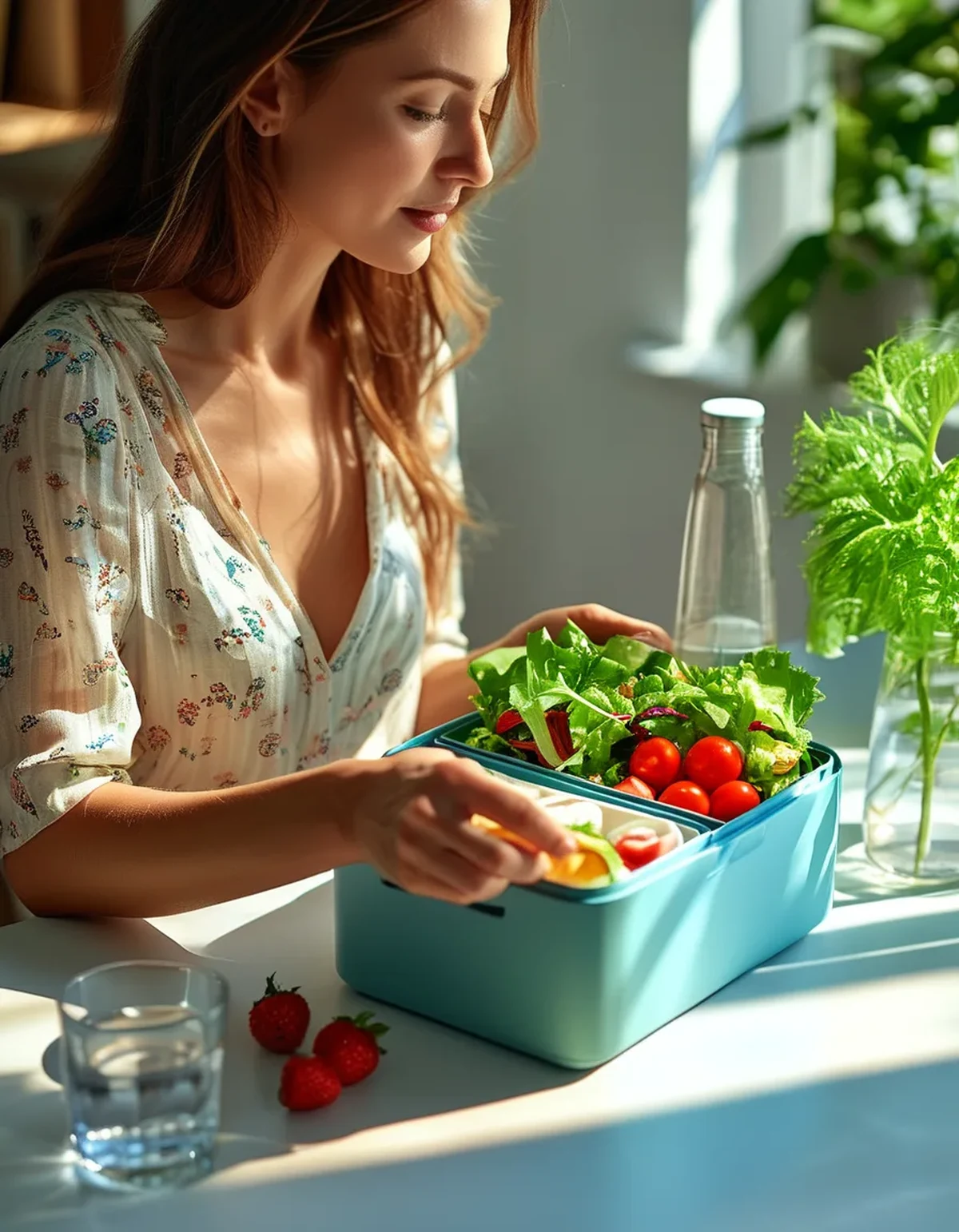
Why does hot weather kill your appetite at lunchtime?
Because eating produces heat, and your body is already trying to get rid of heat.
Digestion has a measurable thermal cost — the process of breaking down and absorbing food raises your body temperature, an effect known as diet-induced thermogenesis. In cool weather that is a small bonus. In hot weather it is an additional load on a system already working to cool you.
There is also a circulation component. In heat, blood is redirected toward the skin surface to shed heat, which means proportionally less flow to the digestive tract. Less digestive blood flow means slower gastric emptying, which means food sits longer, which means you feel full sooner and stay full longer.
Hormones join in. Appetite regulation is influenced by body temperature, and elevated core temperature suppresses hunger signaling. This is why athletes routinely lose appetite after hot sessions and why the last thing you want after a hot commute is a heavy meal.
The practical version: your appetite is not broken, and you are not being lazy about eating well. Your body is prioritizing thermoregulation over digestion, which is the correct call. The answer is to change what you eat, not to force the volume.
What should a hot-weather desk lunch actually look like?
Smaller, cooler, and higher in water content — with protein preserved rather than dropped.
The structure that works:
- Protein: keep it. This is the piece people accidentally cut when they eat lighter, and it is the piece that determines whether you crash at 3pm. Cold protein works fine — poached chicken, canned fish, chickpeas, tofu, hard-boiled eggs, Greek yogurt.
- High water content vegetables and fruit: cucumber, tomato, melon, celery, leafy greens, bell pepper. These contribute meaningfully to daily fluid intake and are appealing when you have no appetite for anything warm.
- Fat: reduce, do not eliminate. Fat slows gastric emptying further, which is exactly the wrong direction when digestion is already slowed. A moderate amount keeps you satisfied; a heavy amount is what makes hot-weather lunches feel like a rock.
- Carbohydrate: keep it, but choose cool forms. A grain salad, cold soba, or bread with a cold filling rather than something warm and dense.
Temperature matters independently of content. A cold version of the exact same meal is more appealing and easier to finish in heat. This is why gazpacho, cold noodle bowls, and composed salads are hot-climate staples across completely unrelated cuisines — it is convergent practical wisdom, not fashion.
Portion: expect to want 20 to 30 percent less at midday, and plan an afternoon snack to cover the gap rather than trying to force a full lunch you do not want.
Why do you crash harder in the afternoon during summer?
Several things line up at once, and only one of them is the lunch.
You probably ate less protein. Lighter summer eating usually means less protein, and protein is the single biggest contributor to sustained afternoon energy. A salad that was mostly vegetables leaves you with a blood sugar rise from the carbohydrate and nothing steady behind it.
You are likely mildly dehydrated. Even modest fluid loss reliably produces fatigue, headache, and reduced concentration — symptoms that read exactly like an afternoon slump. In an air-conditioned office you sweat less and drink less than you think you need, while your commute and any outdoor time have already cost you fluid.
Sodium may be low if you are sweating regularly. Replacing fluid without electrolytes through a hot week leaves some people feeling flat and headachy no matter how much water they drink.
Sleep is worse in summer. Hot nights reduce sleep quality measurably, and the resulting deficit shows up in the afternoon, not the morning. This is often the biggest contributor and the one least connected to lunch.
The office is cold and your body just spent the morning switching modes. Going from 90°F outside to 68°F inside repeatedly is a genuine thermoregulatory load.
What to change, in order of impact: add protein to lunch, drink on a schedule rather than on thirst, add sodium if you sweat heavily, and protect sleep in the heat.
How do you keep food safe when it is this hot?
This is the practical question nobody asks until something goes wrong, and late summer is when it goes wrong.
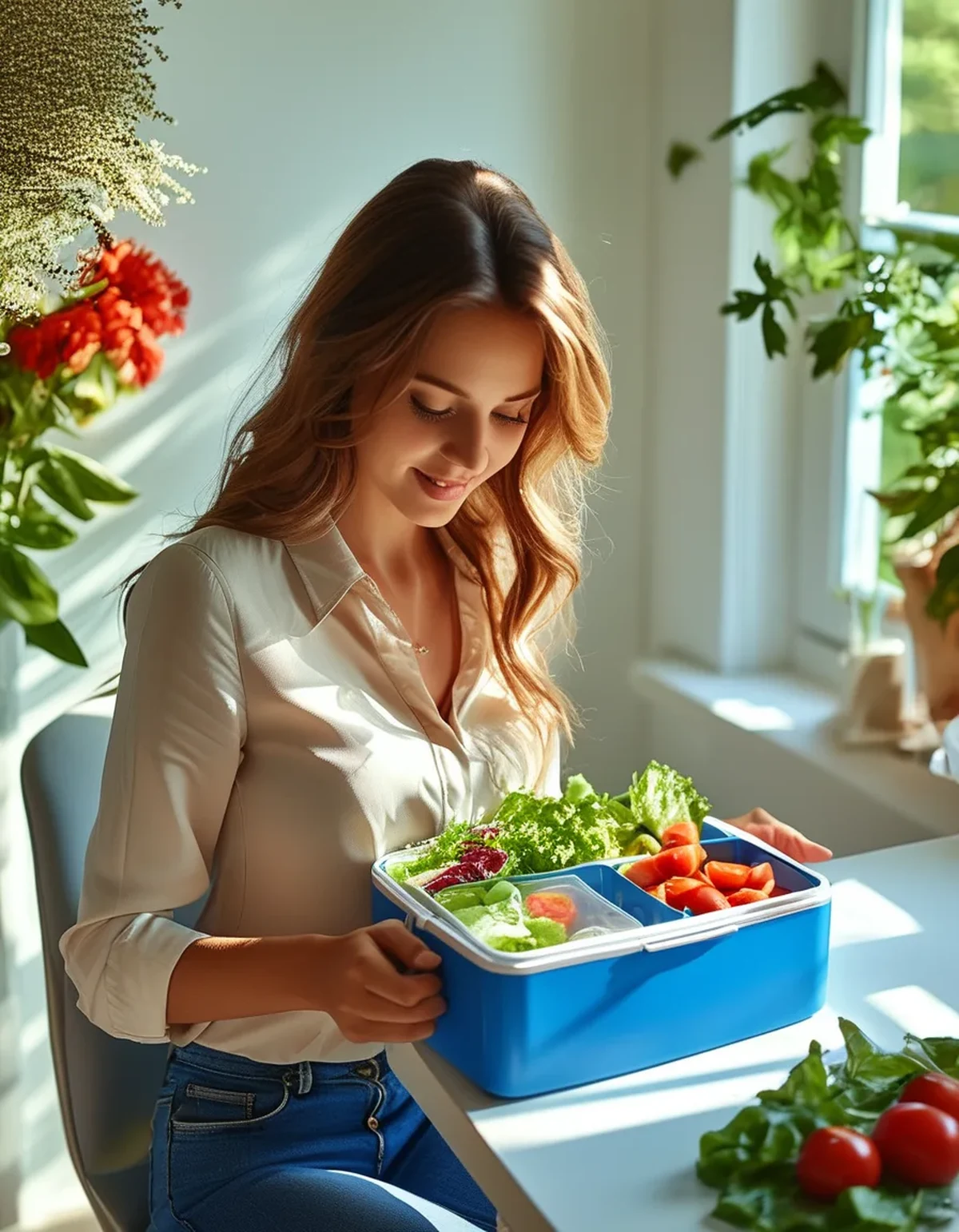
The rule to know: perishable food should not sit between 40°F and 140°F for more than two hours — and above 90°F, that window drops to one hour. A lunch bag in a hot car during a morning commute burns through most of that budget before you have arrived.
What actually keeps food cold:
- An ice pack is not optional in summer, even for a short commute. One frozen gel pack in an insulated bag holds safe temperature for several hours.
- A frozen water bottle doubles as an ice pack and gives you cold water by lunchtime. This is the single best small trick on this list.
- Pre-chill the container and the food. Warm food in a cold bag warms everything else.
- The office fridge is better than a bag, if it is genuinely cold. Many shared fridges run warmer than they should because they are overfull and constantly opened.
Foods that handle heat poorly: anything mayonnaise-based, cooked rice held at room temperature, cut melon, soft cheeses, deli meats, and cooked chicken. These are exactly the foods people pack in summer.
Foods that travel well in heat: hummus and firm vegetables, hard cheeses, whole fruit, nut butters, canned fish, sturdy grain salads with a vinegar-based dressing, and anything you would happily eat at ambient temperature.
A useful habit: if the lunch spent the morning warm and you are unsure, do not eat it. The cost of a replacement lunch is trivial compared with the alternative.
What if you genuinely have no appetite at lunch?
This is common in heat and mostly fine, with two caveats.
Do not simply skip and carry on. Skipping lunch usually shifts the entire day’s intake to the evening, which reliably produces an afternoon crash and worse sleep. The goal is to change the shape, not the total.
Instead, split it. Half at your normal lunchtime, half around 3pm. Two smaller inputs are far easier to eat in heat than one, and they hold energy more steadily. This is the single most effective adjustment on this page, and it requires no change to what you pack.
Liquid calories work when solid food does not. A smoothie with yogurt or protein, milk or a fortified plant milk, and fruit delivers meaningful nutrition when nothing on a plate appeals. Cold soups do the same job. This is not a compromise — it is a well-established approach in hot climates and in sports nutrition.
Cold and acidic beats warm and rich. Vinegar, citrus, and pickled elements stimulate appetite when heat has suppressed it. A squeeze of lemon or a sharp dressing makes food you did not want suddenly edible.
Eat somewhere cooler if you possibly can. Appetite returns noticeably once core temperature comes down. Ten minutes in air conditioning before you eat does more than anything you could add to the container.
When to take it seriously rather than adapt around it: appetite loss that persists after the weather cools, comes with unintended weight loss, or arrives alongside nausea, fatigue that sleep does not fix, or feeling unwell is worth a medical conversation rather than a meal-planning tweak. Heat explains a mild seasonal dip; it does not explain a sustained one. This is general information, not medical advice.
FAQ: Summer Desk Lunch Questions, Answered
Is it normal to want less food in hot weather?
Yes, and it is well documented. Digestion generates heat and competes for blood flow with cooling, so appetite drops. Seasonal intake variation of this kind is expected.
Should I still eat if I am not hungry?
Eat something, but smaller. Skipping entirely tends to push the whole day’s eating into the evening and produces a worse afternoon. A split lunch is the better answer than either forcing a full meal or skipping.
How much water should I be drinking at a desk in summer?
There is no universal number, but the practical version is: keep a bottle at your desk, drink on a schedule rather than waiting for thirst, and check urine color as a rough gauge. Air conditioning is dehydrating in a way that is easy to miss because you are not visibly sweating.
Do I need electrolytes or is water enough?
Water is fine for most desk-based days. If you commute or exercise in heat and sweat heavily, adding sodium — through food or an electrolyte tab — often resolves the flat, headachy feeling that plain water does not.
What is the best make-ahead summer desk lunch?
A grain and protein salad with a vinegar-based dressing, dressed the night before. Vinegar dressings hold up better than creamy ones in heat, the grain absorbs flavor overnight, and it is designed to be eaten cold rather than merely tolerated cold.
TL;DR: Heat suppresses appetite and slows digestion for real physiological reasons, so change the lunch rather than force it.
- Digestion produces heat and competes for blood flow with cooling. Your appetite drop is the system working correctly.
- Keep protein, reduce fat, and go cold. Dropping protein is what causes the 3pm crash.
- Split lunch into two smaller meals — the highest-impact change, requiring nothing new in the container.
- Above 90°F, perishable food has a one-hour safe window. A frozen water bottle solves both cooling and hydration.
- The afternoon crash is often sleep and dehydration, not the food.
- Persistent appetite loss after the weather cools is a medical question, not a meal-prep one.
Freeze a water bottle tonight and pack half your lunch for 3pm. Two changes, both free.
Keep Reading
This article is for general informational purposes only and is not medical advice. Always consult a qualified health professional for guidance specific to you.