Is Eating Lunch at Your Desk Actually Bad for You?
Quick Answer: Eating at your desk isn’t inherently unhealthy in a physical sense — no study shows it directly harms digestion. The real costs are behavioral: more mindless overeating, less midday mental reset, and worse portion awareness, not damage from the location itself.
There’s a lot of guilt-inducing advice floating around about desk lunches, but most of it conflates “not ideal” with “harmful,” and the distinction actually matters for how much you should worry about it.

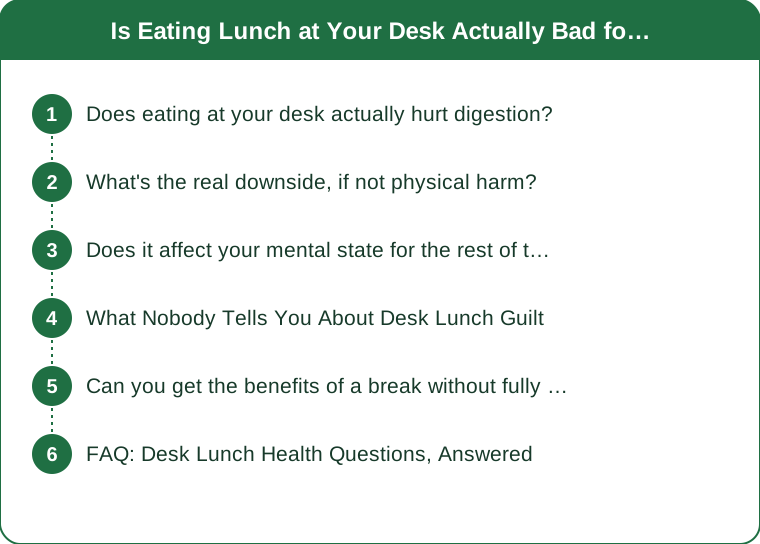
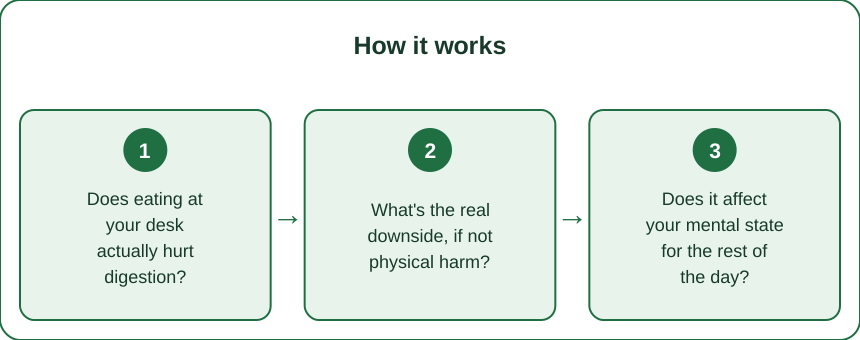
Does eating at your desk actually hurt digestion?
There’s no solid evidence that the physical act of eating while seated at a desk, specifically, damages digestion compared to eating seated anywhere else. What does affect digestion is eating too fast, which desk lunches make more likely because you’re multitasking rather than focusing on the meal — but that’s a behavior, not a location effect.
What’s the real downside, if not physical harm?
Mindless eating is the biggest one — screen-distracted eating is linked in multiple studies to eating faster, feeling less full afterward, and eating more later in the day because your brain didn’t register the meal as clearly. You’re not damaged by the desk itself; you’re more likely to eat past comfortable fullness because you weren’t paying attention.
Does it affect your mental state for the rest of the day?
Often yes — lunch breaks that involve leaving your workspace, even for 10-15 minutes, are associated with better afternoon mood and lower reported stress than working through lunch at the same desk. The break from the visual environment of work seems to matter as much as the food itself for this effect.

What Nobody Tells You About Desk Lunch Guilt
A lot of the pressure to “always eat away from your desk” doesn’t match most people’s actual jobs — back-to-back meetings, deadline crunches, and open floor plans without a real break room make it genuinely impractical some days, not just an excuse. Treating it as an occasional necessity rather than a daily failure removes guilt that isn’t doing anything useful anyway.
Can you get the benefits of a break without fully leaving?
Yes, partially. Closing your laptop, putting your phone face-down, and eating without a screen in front of you captures a meaningful chunk of the mindfulness benefit even if you don’t physically leave the building. It’s not identical to a real break, but it’s a realistic middle ground on days a full break isn’t possible.
FAQ: Desk Lunch Health Questions, Answered
Is it bad to eat lunch every single day at your desk?
Not dangerous, but the mindless-eating pattern compounds daily, which is where the real cost adds up over months — occasional desk lunches are a much smaller concern than a daily habit with zero food awareness.
Does eating at your desk make you eat more overall?
Studies on distracted eating generally show yes — people eating while working report lower satisfaction and higher later-day snacking than people who ate the same meal without a screen.
What’s a realistic middle ground if I can’t leave my desk most days?
Even closing the laptop and putting the phone away during the meal captures a real chunk of the mindfulness benefit, without requiring you to physically leave.
Does the type of food matter more than the location?
Somewhat — a slower-to-eat, higher-volume meal (like a salad) naturally counters some of the speed-eating effect regardless of where you eat it.
TL;DR:
- Desk eating isn’t physically harmful — the concern is behavioral, not digestive
- Screen-distracted eating leads to less fullness awareness and more later snacking
- Stepping away, even briefly, helps afternoon mood more than the food itself does
- Closing the laptop during the meal captures some benefit when a full break isn’t possible
The guilt around desk lunches is mostly overblown — the actual fix is paying attention to the meal, not necessarily the zip code you eat it in.
Keep Reading
This article is for general informational purposes only and is not medical advice. Always consult a qualified health professional for guidance specific to you.