Office Fridge Politics: Packing Lunches That Survive Communal Cold Storage
Quick Answer: Survive the office fridge by labeling every container with your name and the date, sealing anything with a strong smell before it reheats, and choosing leak-proof, stackable containers. If you want to skip the politics entirely, a small insulated cooler bag at your desk keeps lunch safe without ever touching the shared shelves.
You open the office fridge at 11:45am looking for your lunch and instead find a science experiment, three unclaimed yogurts, and a mystery container leaking something orange onto the shelf below. Somewhere in there is your salad, or what’s left of it after the community keeps shuffling things around. The shared fridge is one of the last truly lawless spaces in modern work life — and the only way to survive it is to pack like you already know the rules everyone else is ignoring.

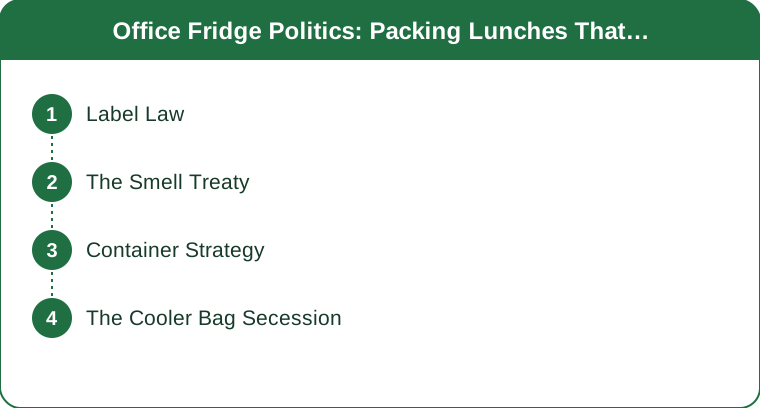
Why does the office fridge need its own etiquette?
A communal fridge is a shared resource with zero enforcement, which means norms only work if most people follow them. Unlabeled containers, unsealed leftovers, and mystery Tupperware pile up fast because nobody wants to be the one who throws away someone else’s lunch. Most offices run an informal “Friday purge,” where anything that looks abandoned gets tossed — so the real question isn’t whether there are rules, it’s whether you’re following the unwritten ones before the fridge decides for you.
How should you label your lunch container?
Write your name and the date on every container, every time — masking tape and a permanent marker in your desk drawer is basically a citizenship requirement for fridge access. Unlabeled food is treated as fair game under break-room common law, and it’s usually the first thing to disappear during a cleanout. A few habits that help:
- Keep a small roll of tape and a marker at your desk so labeling takes five seconds, not a trip to the supply closet
- Date it, not just name it — “Sarah, Tuesday” tells people at a glance whether it’s safe to ignore
- Re-label leftovers you bring in a second day; a container from last week reads as abandoned even if it isn’t
What’s the best way to avoid becoming the smelly-lunch coworker?
Reheated fish, strong curries, and hard-boiled eggs left in open containers are the fastest way to earn a reputation you didn’t ask for. That doesn’t mean you have to give them up — it means sealing them tight before they go in the fridge and covering them when you microwave. A few smell-management basics:
- Use containers with a real seal, not just a loose-fitting lid
- Always microwave with a cover, even if the container claims to be “splatter-proof”
- If a dish is especially pungent, consider eating it at the end of the day when fewer people are microwaving nearby
Your coworkers’ noses are effectively voting on your reputation every time you reheat something, whether you meant to run for office or not.

What containers actually survive the shared fridge?
Leak-proof containers with a genuine seal are non-negotiable — a flooded shelf from someone’s salad dressing becomes break-room lore for months. Beyond leak-proofing, container shape matters more than people expect:
- Slim, stackable containers take up less shelf space and survive the Monday-morning fridge Tetris better than bulky round ones
- Rigid containers protect food better than flexible bags when the fridge is packed tight
- A container with compartments keeps dressing and sauces separate until you’re ready to eat, which solves the leak problem before it starts
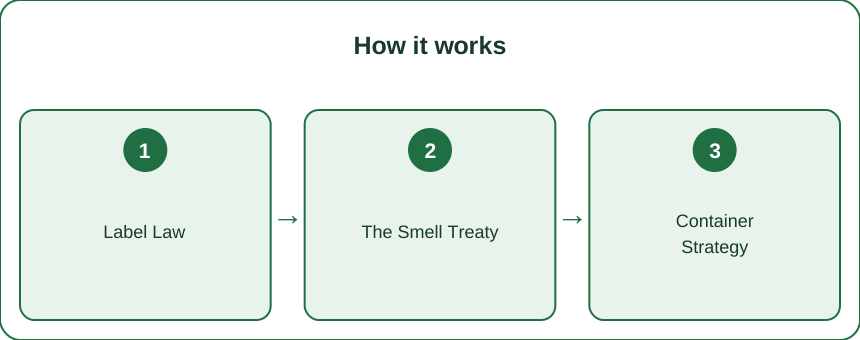
Is a personal cooler bag worth skipping the fridge altogether?
For about $15, a small insulated cooler bag with an ice pack sidesteps the entire system. You keep it at your desk, it never touches the shared shelves, and it’s immune to shelf wars, smell disputes, and Friday purges. It’s not a requirement, but if your office fridge situation is chaotic, it’s the cleanest exit available — an insulated bag with an ice pack generally keeps perishables cold enough for a typical lunch break.
5 Mistakes Everyone Makes With Office Lunches
- Skipping the label because “everyone knows it’s mine” — until a new hire doesn’t.
- Reheating strong-smelling food uncovered, turning the whole break room into a referendum on your choices.
- Bringing loose, unsealed containers that leak the second the fridge door swings shut.
- Leaving lunch in the fridge over a long weekend and being genuinely surprised when it’s gone Monday.
- Overpacking the shelf with multiple containers when one stacked, compartmentalized box would do the job.
Mini FAQ
How long can lunch safely sit in a shared office fridge?
Most food safety guidance suggests perishable lunch items are fine in a properly cold fridge (below 40°F) for the workday, and generally safe to keep for a few days if refrigerated promptly after each use. When in doubt, trust your nose and eyes over the calendar.
What’s the single biggest office fridge complaint?
Smell tops the list almost everywhere — specifically reheated fish, strong curries, and eggs left uncovered. Sealing containers and covering food in the microwave solves most of this instantly.
Is a cooler bag actually better than the fridge?
It’s not strictly better, just simpler — you control the temperature and territory entirely, with no shelf diplomacy required. For offices with a chaotic communal fridge, it’s often the lower-stress option.
TL;DR
- Label every container with name and date — unlabeled food gets tossed first.
- Seal and cover strong-smelling reheats like fish, curry, and eggs.
- Choose leak-proof, stackable containers to avoid becoming shelf lore.
- A $15 insulated cooler bag lets you skip fridge politics entirely.
- When in doubt, keep your lunch cold, covered, and clearly yours.
Keep Reading
This article is for general informational purposes only and is not medical advice. Always consult a qualified health professional for guidance specific to you.